



You can slow the ripening of vegetables and fruit

Generally for ethylene
The ethylene emitted throughout the evolution of the wrist and is the only hormone that has proven that it plays a crucial role in maturation. For proof of the action of the hormone, Maybe, helped the nature of gases that makes it possible to measure without damaging the fruit, as well as measuring accurately, fast, relatively easily and with possibility of measure before the cut fruit with portable instruments.
Inhibition of synthesis and/or ethylene action delays the ripening of fruit, While the application of exogenous ethylene to fruits accelerates the ripeness. However, It should be noted that the effect of exogenous ethylene on processes of maturation differs between climacteric and non-climacteric fruits, as for example in respiratory activity, in which the exogenous ethylene Ethylene Filters
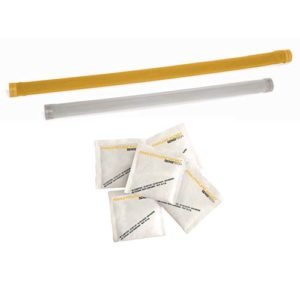
Ryan® Ethylene Absorption from Sensitech (absorption of ethylene products).
When it comes to the quality of horticultural products, the management of temperature and absorption of ethylene go hand in hand –. As good management of temperature is always critical to maintaining the quality of sensitive products, Ethylene is another factor that should be taken into account for quality. Ethylene helps accelerate and the harmonious maturing of production that has collected at the stage of ripening.
The report, however, the Ethylene has a negative effect on the quality of fruit, vegetables and seafood, classified in products of high ethylene production. So is the removal of ethylene in long-term controlled atmosphere storage of apples and pears. It is particularly important to rule out ethylene for storing avocados, Kiwis, lotwn, carnations and other vegetables that are extremely sensitive to ethylene.
Filters come in two types:
Ryan® FiltersTa Ethylene Ethylene absorption filters work with cold air circulation and cleanse the environment in containers transported by road and by sea.
Ryan® SachetsTa Ethylene Ethylene absorbing sachets are preventing the effects of ethylene production in the packaging of products where there is no air circulation.
Absorption of ethylene products help Ryan:
- To reduce losses, controlling the excessive maturation and sepsis.
- To reduce water loss, improving the look of the production, the texture and nutritional quality.
- To eliminate unpleasant odors emitted from overly ripened products.
- To increase the satisfaction of your customers by delivering on these higher quality products.
Fruits and veggies produce Ethylene:
Apples, Apricots, ripe avocados, Nectarines, Peaches, Pears, Plums, Quince and ripe tomatoes are fruits high up to the average ethylene production. While the berries produce only a small amount of ethylene gas.
The following fruits and vegetables are fruits that give off ethylene and is sensitive to these.
Apples, the apricot, avocado (ripe and tasteless), bananas (Green), melon, the cucumber, Plums, the clams, the tomato (Green) produce ethylene and is sensitive to ethylene gas.
Fruit and vegetables sensitive to ethylene
The following fruits and vegetables are especially sensitive to ethylene gas, but the same does not emit ethylene.
Asparagus, Basil, Broccoli, Brussels Sprouts, Cabbage, Carrots, Cauliflower, Celery, Eggplant, Peppers, Corn, Peaches, Potatoes, Salad Mixes, Sprouts, Sweet potatoes, Turnips, Watermelon.
Fruits and vegetables that don't produce ethylene gas
Artichokes, Cherries, Coconuts, Corn, Garlic, Onions, Pomegranates. Do not emit ethylene and is not sensitive to this.
Oranges produce very little ethylene gas and is not sensitive to this gas.
Bibliography:
- My kitchen garden
- Metassyllektiki Fruit and vegetable Treatment of Harold-Christopher Passam, Helen Tsantilis, Miltiades Christopoulos, Mina Kaykaletoy, Alexios Alexopoulos and Ioannis Karapanos